
In today’s competitive market, crafting compelling marketing copy is crucial for any business aiming to thrive. Converting potential customers into paying clients requires more than just persuasive language; it demands a strategic approach that resonates with your target audience, highlights the value of your product or service, and ultimately motivates them to take action. This article will delve into the essential elements of writing effective marketing copy that converts, providing actionable insights and practical tips to elevate your marketing efforts and boost your bottom line.
From understanding your ideal customer to crafting a clear and concise message, we will explore the key principles that underpin successful marketing copy. Learn how to leverage powerful words, create a sense of urgency, and build trust with your audience. Whether you’re writing website copy, email newsletters, social media posts, or sales brochures, mastering the art of converting copy is an invaluable skill that can significantly impact your business growth. This guide will equip you with the knowledge and techniques you need to write marketing copy that converts and achieves your desired results.
Understanding Your Audience First
Before crafting any marketing copy, you must understand your target audience. Knowing your audience is the foundation upon which compelling and effective copy is built. Without this crucial understanding, your message will likely fall flat and fail to resonate.
Consider these key aspects of your audience:
- Demographics: Age, gender, location, education level, occupation, income, etc.
- Psychographics: Values, interests, lifestyle, attitudes, and beliefs.
- Pain Points: What problems or challenges are they facing that your product or service can solve?
- Motivations: What drives their purchasing decisions? What are their needs and desires?
By deeply understanding these factors, you can tailor your marketing copy to speak directly to your audience’s needs and desires. This targeted approach increases the likelihood of converting prospects into customers.
Highlighting Benefits Over Features
Customers don’t buy features; they buy benefits. A feature is a factual statement about your product or service. A benefit explains how that feature improves a customer’s life. Focus your copy on what the customer gains, not just what your product does.
For example, instead of saying “This laptop has a 1TB hard drive,” (feature) say, “Store thousands of photos and videos without worrying about running out of space.” (benefit). The benefit connects with the customer’s desire for ample storage and peace of mind.
Use strong action verbs to emphasize the positive impact of your product. Think about the desired outcome for your customer and frame your copy accordingly. Instead of “This software has a user-friendly interface,” try, “Easily manage your projects and boost your productivity with our intuitive software.”
Using Emotional Triggers Effectively
Emotional triggers are powerful tools in marketing copy. They tap into the subconscious, influencing decisions beyond rational thought. By understanding and using these triggers strategically, you can significantly improve conversion rates.
Some common emotional triggers include:
- Fear of Missing Out (FOMO): Highlighting limited-time offers or exclusive deals creates urgency.
- Social Proof: Testimonials, reviews, and user statistics build trust and credibility.
- Aspirational Triggers: Connecting your product or service to a desired lifestyle or achievement motivates purchase.
- Pain Points: Directly addressing customer frustrations and offering solutions resonates deeply.
Remember to use emotional triggers responsibly. Authenticity is key. Manipulative tactics can damage your brand’s reputation. Focus on genuinely connecting with your audience’s needs and desires.
Crafting a Strong Headline
Your headline is the first, and often only, impression you make on a potential reader. It’s the gateway to your content. A strong headline grabs attention, sparks curiosity, and promises value, ultimately enticing the reader to delve deeper into your marketing copy.
Focus on clarity and conciseness. Use strong verbs and keywords relevant to your target audience. Highlight the key benefit the reader will gain. Consider incorporating numbers or data to add a sense of credibility and specificity.
Experiment with different headline styles to see what resonates best with your audience. Some effective options include posing a question, presenting a problem and solution, or offering a unique and compelling promise.
Adding a Clear Call-to-Action (CTA)
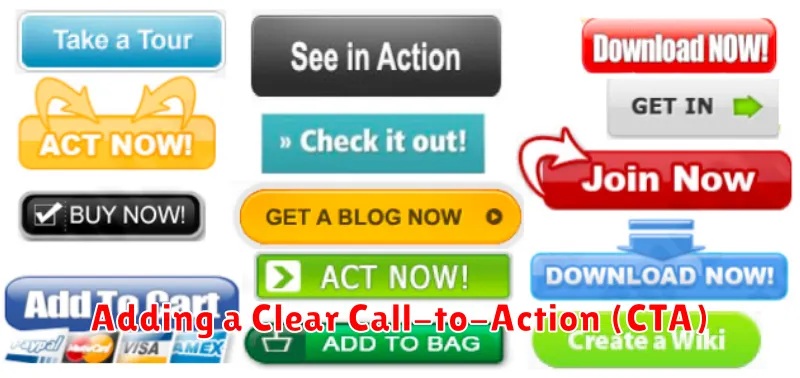
A compelling call-to-action (CTA) is crucial for converting prospects into customers. It guides the reader towards the desired action, making it clear what they should do next.
Clarity is key. Use action-oriented verbs that tell the reader exactly what you want them to do. Examples include “Shop Now,” “Learn More,” “Get a Free Quote,” or “Download the Guide.”
Placement is equally important. Position your CTA prominently where it’s easily visible to the reader. This often means placing it at the end of the copy, after you’ve presented your value proposition.
Design also plays a role. Make your CTA visually appealing. Use a contrasting color that makes it stand out from the surrounding text. Ensure the button size is appropriate and easy to click or tap on mobile devices.
Testing different CTAs is essential to find what resonates best with your target audience. A/B testing different wording, placement, and design can significantly impact your conversion rates.
Incorporating Social Proof
Social proof is a powerful persuasion tool in marketing. It leverages the human tendency to follow the actions of others, especially in situations of uncertainty. By showcasing positive experiences and endorsements, you can build trust and credibility with your target audience.
Several methods effectively incorporate social proof into your marketing copy:
- Testimonials: Feature authentic reviews from satisfied customers. Quote their positive experiences and highlight specific benefits they received.
- Statistics: Use data to demonstrate the popularity or effectiveness of your product or service. For example, “9 out of 10 dentists recommend…”
- Endorsements: Partner with influencers or experts in your industry to lend credibility to your brand.
- Case Studies: Present in-depth analyses of successful customer stories, showcasing how your product or service solved their problems.
- Social Media Engagement: Highlight positive comments, shares, and other interactions on social media platforms.
When using social proof, ensure its relevance and authenticity to maximize impact. Clearly attribute testimonials and endorsements to build trust and avoid misleading claims.
Testing and Refining Your Copy
Creating effective marketing copy isn’t a one-and-done process. Testing and refinement are crucial for maximizing conversions. Once your initial copy is written, it’s time to put it to the test.
A/B testing is a highly effective method. This involves creating two versions of your copy with slight variations, such as a different headline or call to action. Show each version to a segment of your target audience and track which performs better in terms of clicks, conversions, or other relevant metrics.
Analyze the results to understand what resonates with your audience. Data-driven insights are key to making informed decisions about refining your copy. Don’t be afraid to iterate and make adjustments based on what the data tells you.
Pay close attention to metrics like click-through rates and conversion rates. These provide valuable feedback on the effectiveness of your copy. Continuously refining your copy based on testing and analysis is essential for achieving optimal performance.
