
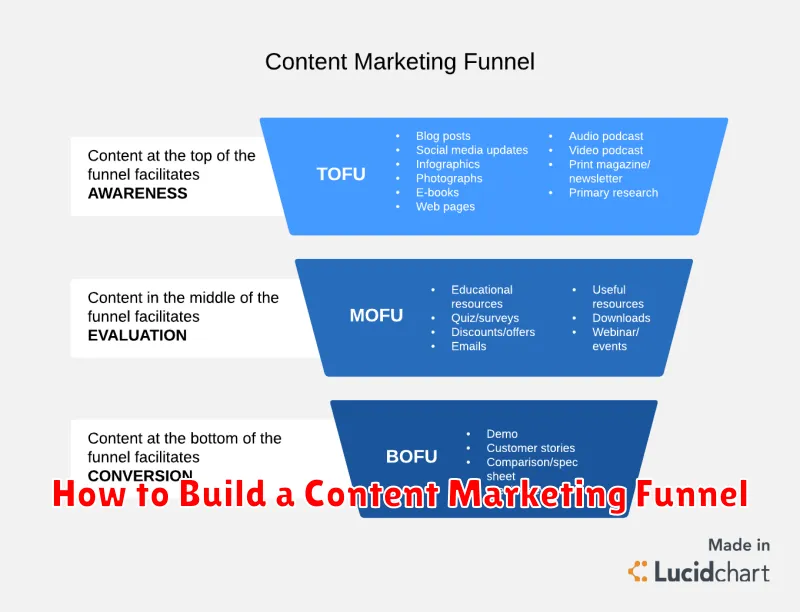
In today’s digital landscape, a content marketing funnel is essential for attracting, engaging, and converting potential customers. This comprehensive guide will delve into the intricacies of building a high-performing content marketing funnel, providing actionable strategies to optimize each stage for maximum impact. Understanding how to effectively guide your audience through the content marketing funnel can significantly enhance your lead generation, boost brand awareness, and ultimately drive sales.
From attracting initial attention to nurturing leads and securing conversions, we will explore the key components of a successful content marketing funnel. Learn how to tailor your content strategy to each stage, ensuring a seamless and engaging customer journey. Whether you’re a seasoned marketer or just starting out, this guide will empower you to build a content marketing funnel that delivers tangible results and propels your business forward. Discover the power of a well-structured content marketing funnel and unlock the potential to transform casual visitors into loyal customers.
Understanding Top, Middle, and Bottom Funnel Content
A content marketing funnel guides potential customers through the stages of the buying process. It uses different types of content tailored to their specific needs and where they are in their journey. This funnel is typically divided into three sections: top, middle, and bottom.
Top-of-funnel content focuses on building awareness and attracting a wide audience. It addresses general pain points and provides educational resources without a strong sales pitch. Think blog posts, social media updates, and infographics.
Middle-of-funnel content nurtures leads who have shown initial interest. It provides more specific solutions, builds trust, and positions your brand as an authority. Examples include case studies, webinars, and ebooks.
Bottom-of-funnel content targets leads ready to purchase. It provides the final nudge with product demonstrations, testimonials, and free trials. The goal is to convert leads into paying customers.
Creating Awareness Content
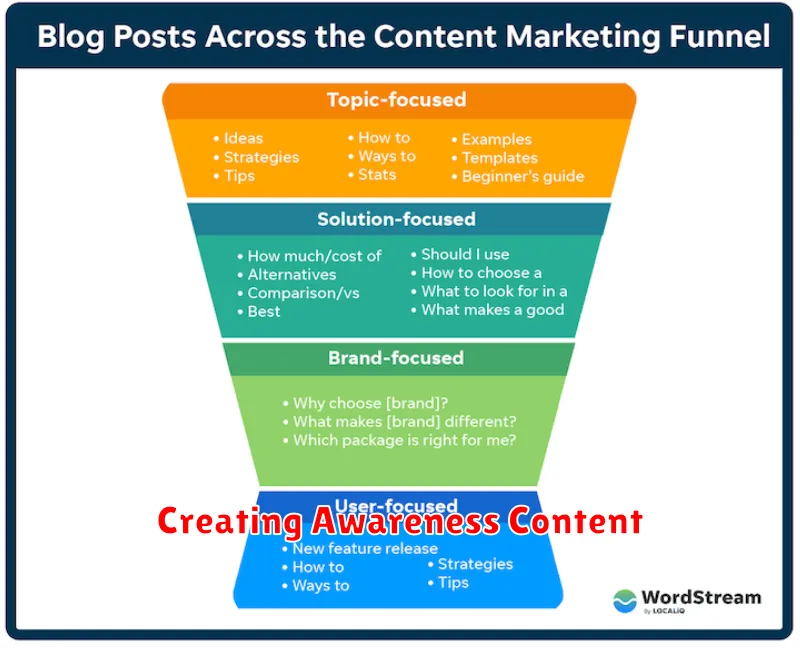
The first stage of the content marketing funnel focuses on attracting a broad audience. Content at this stage should address general pain points and introduce your brand without being overtly promotional.
Key characteristics of awareness content include:
- Educational and informative: Focus on providing value and answering common questions.
- Engaging and shareable: Content should be easily digestible and encourage social interaction.
- Discoverable: Optimize content for search engines to reach a wider audience.
Examples of awareness stage content formats include blog posts, infographics, social media updates, and short videos.
Designing Consideration Content
The consideration stage is where potential customers have identified their problem and are actively researching solutions. Your content should help them understand how different approaches can address their needs, subtly positioning your product or service as a viable option.
Focus on creating educational and informative content. Examples include:
- Comparison Guides: Weigh the pros and cons of different solutions.
- Case Studies: Showcase successful implementations and results.
- Expert Webinars: Offer in-depth discussions on relevant topics.
- Ebooks and White Papers: Provide valuable resources on specific challenges.
Avoid overly promotional language. Instead, concentrate on providing genuine value and building trust with your audience. Demonstrate your expertise and position your brand as a thought leader in the space.
Crafting High-Converting Bottom Funnel Content
At the bottom of the funnel, your audience is ready to convert. They’ve identified their problem, researched solutions, and are now evaluating specific offerings. Your content here needs to be highly persuasive and focused on demonstrating value and overcoming final objections.
Focus on product-specific content. Case studies, testimonials, free trials, and demos are highly effective at this stage. Showcase the benefits of your product or service and how it specifically addresses the customer’s needs.
Address concerns and objections directly. Use FAQs, comparison charts, and expert testimonials to alleviate any remaining doubts. Provide clear and concise information about pricing, guarantees, and support.
Make the conversion process seamless. Prominently display call-to-actions (CTAs) that are clear, compelling, and easy to follow. Minimize friction in the checkout or sign-up process to maximize conversions.
Mapping Content to the Buyer Journey
A key aspect of building a successful content marketing funnel is mapping your content to the different stages of the buyer’s journey. This ensures that you’re providing the right information at the right time, nurturing leads towards conversion.
The buyer’s journey typically consists of three stages: awareness, consideration, and decision. Each stage requires a different type of content tailored to the buyer’s needs and level of knowledge.
Awareness Stage
At this stage, the buyer is just becoming aware of a problem or need. Your content should focus on educating them about the problem and offering potential solutions. Examples include blog posts, articles, and educational videos.
Consideration Stage
Now the buyer is actively researching solutions. They’re comparing different options and evaluating potential vendors. Content at this stage might include case studies, white papers, webinars, and comparison guides.
Decision Stage
The buyer is ready to make a purchase. Your content should help them make the final decision. Examples include product demos, free trials, consultations, and testimonials.
Using CTAs Strategically in Each Stage
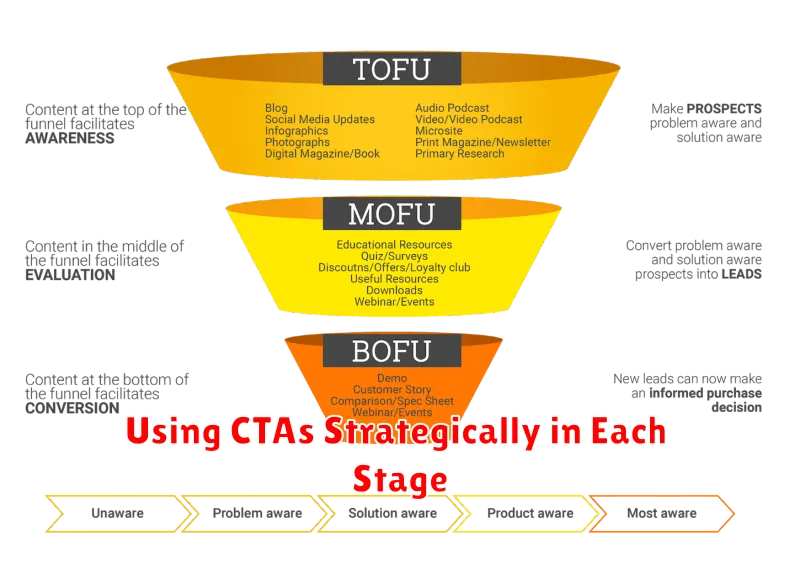
Call-to-actions (CTAs) are crucial for guiding your audience through the content marketing funnel. Each stage requires a different approach to effectively nurture leads.
Awareness Stage
At this stage, focus on providing valuable content and building trust. CTAs should be low-commitment, encouraging further engagement with your brand. Examples include subscribing to a newsletter, downloading a free resource, or following your social media channels.
Consideration Stage
Now, leads are aware of their problem and are researching solutions. Your CTAs should offer more specific value related to their needs. Examples include accessing case studies, joining a webinar, or downloading a product brochure.
Decision Stage
Leads are ready to purchase. CTAs should be direct and action-oriented, leading them towards a conversion. Examples include requesting a demo, starting a free trial, or contacting sales.
Action Stage
After a purchase, nurture the customer relationship. CTAs can encourage repeat business, cross-selling, and referrals. Examples include joining a loyalty program, leaving a review, or referring a friend.
Tracking Funnel Performance
Tracking your content marketing funnel’s performance is crucial for optimization and achieving your marketing goals. It allows you to identify bottlenecks, understand user behavior, and refine your strategy for better results. Key metrics provide insights into each stage’s effectiveness.
At the top of the funnel (TOFU), track metrics like impressions, reach, and website traffic. These indicate the effectiveness of your awareness-building content.
For the middle of the funnel (MOFU), focus on engagement metrics such as time spent on page, download rates for lead magnets, and click-through rates. These metrics demonstrate how well your content is nurturing leads.
At the bottom of the funnel (BOFU), measure conversions, sales, and customer lifetime value. This reveals the effectiveness of your content in driving desired actions.
Regularly analyze these metrics to understand where your funnel excels and where it needs improvement. Use analytics platforms to gather data and visualize the customer journey through your funnel.
