
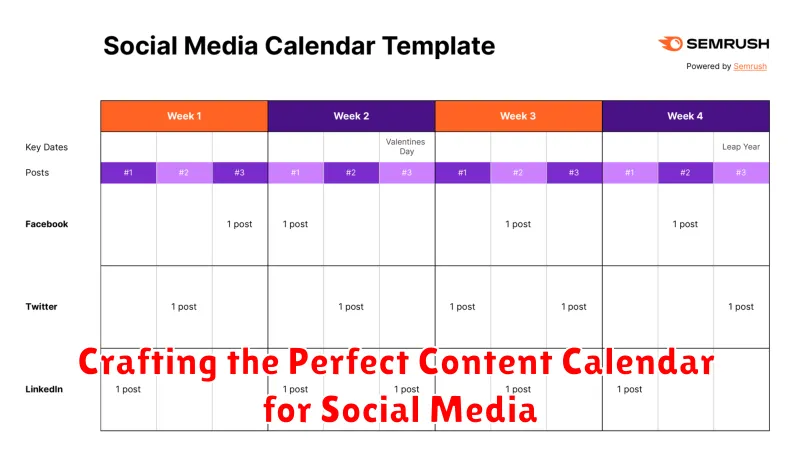
In today’s digital landscape, a robust social media presence is no longer a luxury but a necessity for businesses and individuals seeking to expand their reach and engage their target audience. A well-defined content calendar serves as the cornerstone of a successful social media strategy. It acts as a roadmap, guiding your content creation efforts, ensuring consistency, and maximizing your impact across various platforms. This article will delve into the art of crafting the perfect content calendar for social media, equipping you with the knowledge and tools to elevate your online presence.
Creating a content calendar for social media requires careful planning and consideration of several key elements. From identifying your target audience and defining clear objectives to selecting the right content mix and scheduling posts strategically, each step plays a vital role in achieving your social media goals. This guide will provide a comprehensive breakdown of the process, offering practical tips and best practices to create a social media content calendar that drives engagement, generates leads, and ultimately, boosts your bottom line. Whether you are a seasoned marketer or just starting out, mastering the art of the content calendar is essential for social media success.
Choosing the Right Platforms
Selecting the right social media platforms is crucial for maximizing your content calendar’s effectiveness. Don’t spread your resources thin by trying to be everywhere at once. Instead, focus on the platforms where your target audience spends their time.
Consider your business goals. Are you looking to drive sales, build brand awareness, or provide customer support? Different platforms excel in different areas. For example, Instagram is visually driven and excellent for showcasing products, while Twitter is ideal for real-time updates and engaging in conversations.
Research your competitors. Observe which platforms they utilize and analyze their success. This can offer valuable insights into where your target audience is active and what types of content resonate with them.
Evaluate platform demographics. Each platform attracts a distinct user base. Consider factors such as age, location, interests, and income levels to ensure alignment with your target audience.
Setting Monthly Content Themes
Establishing monthly content themes provides a framework for your social media calendar. This approach streamlines content creation and ensures consistency in your messaging.
Begin by identifying key events, holidays, or awareness campaigns relevant to your target audience. These can serve as starting points for theme development. For example, if you’re a fitness brand, October might focus on healthy fall recipes and workout routines, while December could revolve around holiday fitness gift guides and staying active during the festive season.
Consider your overall marketing goals when selecting themes. Are you aiming to increase brand awareness, drive sales, or foster community engagement? Align your themes with these objectives to maximize impact.
Once you’ve chosen your themes, break them down into weekly or even daily topics. This provides a granular approach to content planning and helps maintain a balanced content mix. Remember to incorporate a variety of content formats, such as educational posts, behind-the-scenes glimpses, user-generated content, and promotional material.
Scheduling in Advance
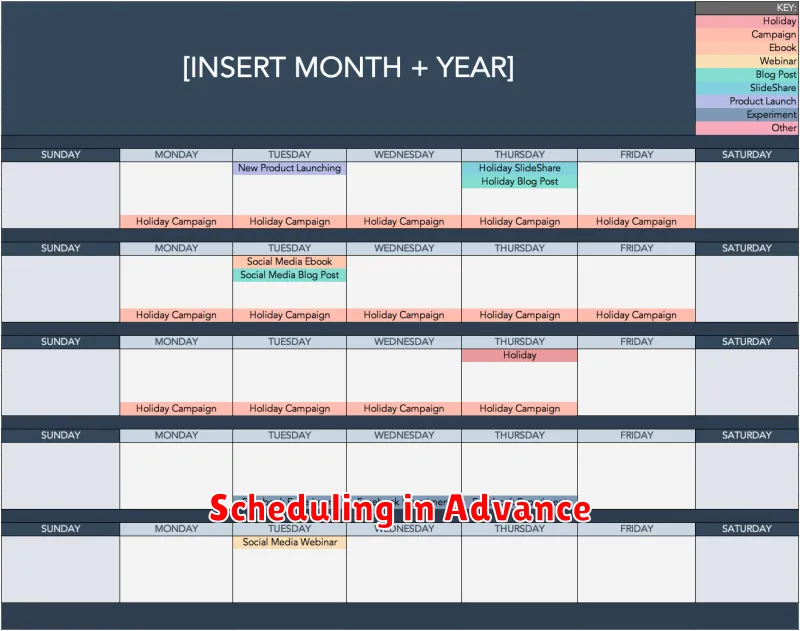
Pre-scheduling your social media content offers numerous advantages. It allows for consistent posting, which is key for maintaining audience engagement and algorithm visibility. A consistent presence keeps your brand top-of-mind and reinforces your message.
Planning ahead also provides the opportunity for strategic content alignment. You can prepare posts for specific campaigns, holidays, or events, ensuring timely and relevant messaging. This proactive approach helps capitalize on trending topics and maximizes impact.
Furthermore, scheduling frees up time for other essential tasks. Instead of daily posting, you can dedicate time to content creation, community engagement, and performance analysis. This strategic time allocation leads to higher quality content and more meaningful interactions with your audience.
Balancing Promotional and Informational Content
A successful social media content calendar requires a delicate balance between promotional and informational content. Too much promotion can feel spammy and drive followers away, while too much informational content can make your brand seem detached from its products or services.
Finding the right ratio depends on your specific audience and industry. However, a commonly recommended starting point is the 80/20 rule: 80% informational and engaging content, and 20% promotional content. This provides value to your audience while still highlighting your offerings.
Informational content can include industry news, tips and tricks, behind-the-scenes glimpses, user-generated content, and engaging questions. Promotional content includes product announcements, sales, discounts, contests, and customer testimonials.
It’s crucial to track your results and adjust your strategy accordingly. Analyze engagement metrics for both types of content to understand what resonates best with your audience and refine your content calendar for optimal performance.
Using Visual Templates for Engagement
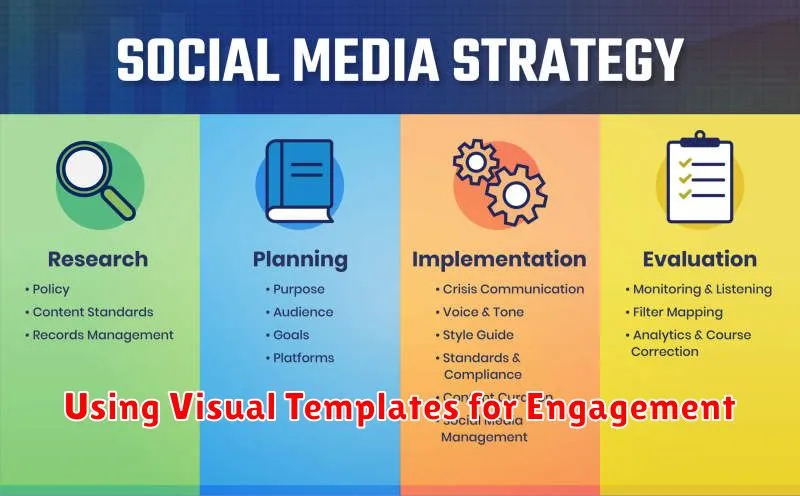
Visual consistency is key for a recognizable and professional social media presence. Using visual templates can significantly enhance your content calendar’s effectiveness.
Templates ensure your branding remains consistent across all platforms. This includes elements like your logo, color palette, and fonts. This consistency builds brand recognition and fosters a sense of professionalism.
Beyond branding, templates streamline your content creation process. Pre-designed templates for different post types (quotes, announcements, promotions) save valuable time and resources. This efficiency allows you to focus more on crafting engaging content and less on design specifics for each post.
Consider creating several templates for various content categories. This will provide variety within your consistent branding, keeping your feed visually appealing and preventing monotony.
Analyzing Performance Metrics
Analyzing performance metrics is crucial for optimizing your social media content calendar. It allows you to understand what’s working, what’s not, and how to improve your strategy moving forward.
Key metrics to track include reach, engagement (likes, comments, shares), website clicks, and conversions. Monitor these metrics regularly to identify trends and patterns.
Use analytics platforms provided by each social media network. These platforms provide in-depth data and insights into audience demographics, content performance, and optimal posting times.
Updating Based on Real-Time Trends
While a content calendar provides structure, it shouldn’t be rigid. The social media landscape is dynamic, requiring flexibility to capitalize on real-time trends. Monitoring trending topics and hashtags is crucial for staying relevant and engaging your audience with timely content.
This means being prepared to adjust your pre-planned content to incorporate these trends. Don’t be afraid to postpone a scheduled post if a more relevant and engaging opportunity arises. Agility is key in the fast-paced world of social media.
Consider dedicating a portion of your calendar to reactive content. This allows room to address trending topics without completely derailing your planned strategy. This balance ensures consistent branding while leveraging the power of real-time engagement.
