
In today’s digital age, a robust social media presence is no longer optional but essential for small businesses. Effective social media strategies can significantly impact brand visibility, customer engagement, and ultimately, business growth. This article will explore the top 10 social media strategies that small businesses can leverage to maximize their reach, connect with their target audience, and achieve their marketing goals. From crafting compelling content to utilizing paid advertising, these strategies offer a roadmap for success in the competitive social media landscape.
Navigating the world of social media can be daunting for small business owners. With so many platforms and ever-evolving algorithms, understanding how to effectively utilize social media for business growth requires a strategic approach. This comprehensive guide will break down 10 key social media strategies, providing actionable insights and practical tips to help small businesses build a strong online presence, generate leads, and drive sales. Whether you are just starting out on social media or looking to refine your existing strategy, this article will equip you with the knowledge and tools you need to succeed.
Creating a Content Calendar
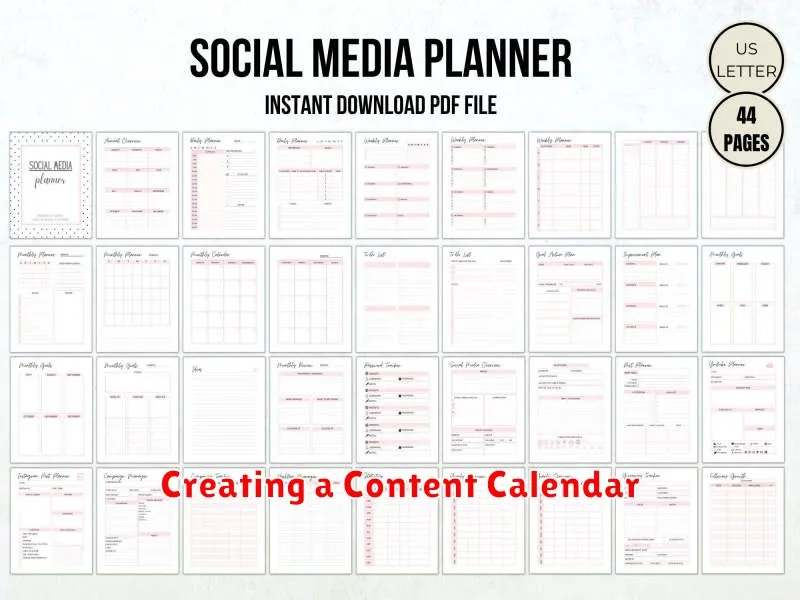
A content calendar is a crucial tool for managing your social media presence. It provides a structured plan for your posts, ensuring consistent engagement with your audience.
Start by determining your posting frequency. Daily posting isn’t always necessary; quality over quantity is key. Focus on providing valuable and engaging content.
Next, decide on the types of content you’ll share. This might include promotional posts, educational content, behind-the-scenes glimpses, or user-generated content. A varied approach keeps your feed interesting.
Finally, use a scheduling tool. Several platforms offer scheduling functionalities, allowing you to prepare posts in advance and automate their release. This frees up your time to focus on other aspects of your business.
Focusing on One or Two Platforms
Small businesses often make the mistake of trying to maintain a presence on every social media platform. This can quickly become overwhelming and unproductive. Instead, focus your efforts on one or two platforms where your target audience is most active.
Research which platforms align with your business goals and customer demographics. For example, a visually-driven business like a bakery might find success on Instagram or Pinterest, while a business-to-business service provider might prioritize LinkedIn.
By concentrating your resources, you can create high-quality content tailored to each platform and engage more effectively with your audience. This targeted approach yields better results than spreading yourself thin across numerous channels.
Engaging With Followers Regularly
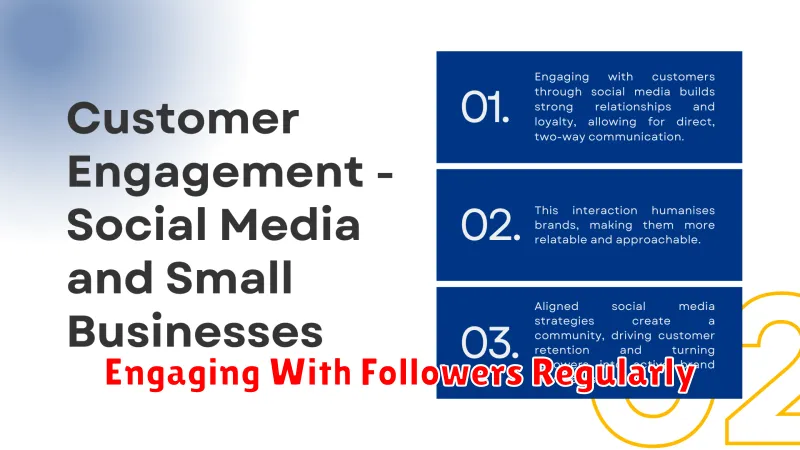
Regular engagement is crucial for building a strong social media presence. Responding to comments and messages demonstrates that you value your audience and their input. It fosters a sense of community and encourages further interaction.
Don’t just react; initiate conversations. Ask questions, run polls, and create content that encourages discussion. This proactive approach keeps your audience engaged and strengthens their connection with your brand.
Consistency is key. Establish a regular posting schedule to maintain visibility and keep your audience anticipating new content. While frequency is important, prioritize quality over quantity. Ensure your posts offer value and contribute meaningfully to the conversation.
Using Hashtags Strategically
Hashtags are essential for increasing the visibility of your social media posts. They categorize your content and make it discoverable by users searching for those specific topics. However, simply adding a large number of hashtags isn’t effective.
Research relevant hashtags within your industry. Consider using a mix of broad hashtags (e.g., #smallbusiness) and more niche hashtags (e.g., #localbakery) to reach a wider, yet targeted, audience.
Analyze your competitors’ hashtag usage. Identify which hashtags they’re using successfully and consider incorporating them into your own strategy. Tools are available to help you research trending and relevant hashtags.
Monitor the performance of your hashtags. Pay attention to which hashtags are driving the most engagement and refine your strategy accordingly. Avoid using irrelevant or overly generic hashtags, as this can dilute your message and reach.
Collaborating With Micro-Influencers

Micro-influencers present a cost-effective way to reach a targeted audience. These individuals have a smaller, but highly engaged following, often within a specific niche. This allows small businesses to connect with potential customers who are genuinely interested in their products or services.
Partnering with micro-influencers can generate authentic content that resonates with their followers. Consider collaborations such as sponsored posts, product reviews, or giveaways to increase brand awareness and drive sales.
When selecting micro-influencers, prioritize authenticity and relevance to your brand. Look for individuals whose values align with yours and whose audience matches your target demographic.
Measuring the success of micro-influencer campaigns is crucial. Track key metrics such as engagement, reach, and website traffic to determine the effectiveness of your collaborations and refine future strategies.
Analyzing What Works and What Doesn’t
Data analysis is crucial for optimizing your social media strategies. Regularly review your social media performance to understand what resonates with your audience and what falls flat.
Utilize platform-specific analytics dashboards to track key metrics such as:
- Reach: How many users saw your content.
- Engagement: Likes, comments, shares, and other interactions.
- Website clicks: How much traffic is driven from social media to your website.
- Conversions: The number of desired actions taken, such as purchases or sign-ups.
Identify patterns in your data. Which posts performed best? What time of day did you receive the most engagement? Use this information to refine your content strategy, posting schedule, and targeting.
A/B testing can also be valuable. Experiment with different content formats, headlines, and calls to action to see what yields the best results. Continuously analyzing and adapting is key to social media success.
Running Contests and Giveaways

Running contests and giveaways is a proven method to boost engagement and brand visibility. These interactive campaigns encourage audience participation and generate excitement around your brand. Giveaways offering desirable prizes relevant to your business attract a wider audience. Contests requiring user-generated content, like photos or videos, can further amplify your reach as participants share their entries with their networks.
Key considerations for successful contests and giveaways include:
- Establishing clear goals and metrics for the campaign.
- Choosing a relevant prize that resonates with your target audience.
- Creating simple and easy-to-follow rules.
- Promoting the contest across all your social media channels.
- Tracking results to measure the effectiveness of the campaign.
By implementing these strategies, small businesses can leverage contests and giveaways to effectively expand their reach, increase brand awareness, and drive customer engagement.
Leveraging User-Generated Content
User-generated content (UGC) is a powerful tool for small businesses. It provides authentic social proof, building trust and encouraging engagement. By featuring content created by your customers, you can showcase the value and impact of your products or services in a relatable way.
Encourage your audience to share their experiences. Run contests, offer incentives, or simply ask customers to tag your business in their posts. Reposting UGC on your own channels amplifies its reach and shows appreciation for your customers’ engagement.
UGC is also highly cost-effective. Instead of investing heavily in professional content creation, you can leverage the creativity of your audience to populate your social media feeds with engaging and persuasive material.
Posting Behind-the-Scenes Stories
Offering glimpses into your business’s daily operations can foster a stronger connection with your audience. Behind-the-scenes content humanizes your brand and builds trust.
Consider showcasing the process of creating your products or services. This could include introducing team members, highlighting workplace culture, or demonstrating the steps involved in fulfilling customer orders. Such transparency allows customers to appreciate the effort and dedication that goes into your business.
Examples of effective behind-the-scenes content include:
- A short video of your team preparing for a big event.
- Photos of the workspace where your products are crafted.
- A time-lapse video showing the creation of a custom-made item.
By showcasing the human element of your business, you can create a more authentic and relatable brand image that resonates with your target audience.
Measuring ROI from Social Channels
Measuring the return on investment (ROI) from social media efforts can be challenging, but it’s crucial for understanding the effectiveness of your strategies. It’s not always about direct sales. Social media ROI can encompass various benefits, including increased brand awareness, improved customer engagement, and lead generation.
Start by defining your key performance indicators (KPIs). These KPIs should align with your business objectives. Some common KPIs include:
- Reach: How many people saw your content.
- Engagement: Likes, comments, shares, and clicks.
- Website Traffic: How much traffic is driven from social media to your website.
- Lead Generation: Number of leads captured through social media campaigns.
- Conversion Rate: Percentage of leads that convert into customers.
Utilize analytics tools provided by each platform to track these metrics. By consistently monitoring and analyzing your social media performance, you can identify what’s working, what’s not, and refine your strategies for better results.
