
In today’s digital landscape, content creation is more important than ever. However, simply creating content is not enough. To truly maximize your reach and impact, you need to embrace the power of content repurposing. Content repurposing is the strategic practice of transforming existing content into new formats, allowing you to reach wider audiences, improve your SEO, and maximize your return on investment. This comprehensive guide will delve into the intricacies of content repurposing, providing you with actionable strategies and practical tips to effectively repurpose every piece of content you create.
Learn how to stretch the lifespan of your blog posts, infographics, videos, and more. Discover the numerous benefits of content repurposing, from increased brand visibility and enhanced engagement to improved content discoverability and significant time savings. Whether you are a seasoned marketer, a budding entrepreneur, or a content creator looking to expand your reach, this article will equip you with the knowledge and tools you need to unlock the full potential of your content through strategic content repurposing.
Turning Blog Posts Into Infographics
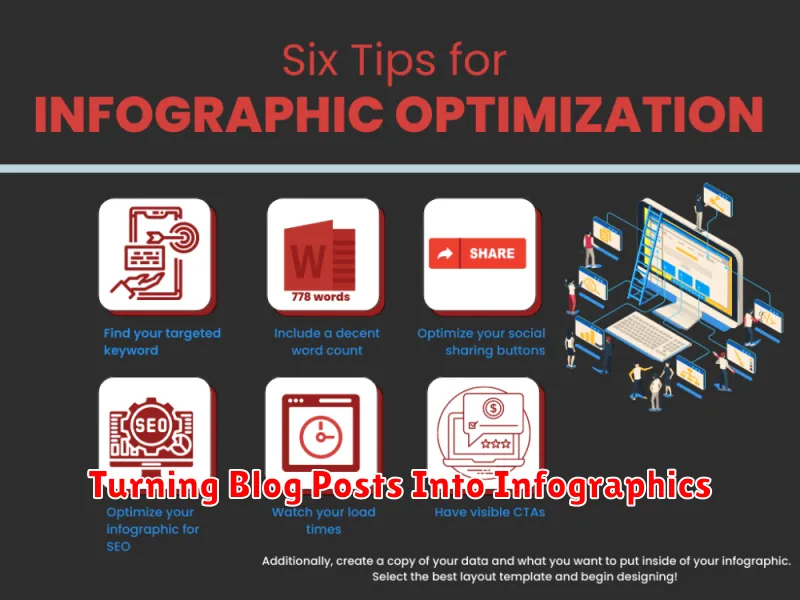
Infographics are a visually appealing way to present information, making them highly shareable on social media. Repurposing your blog content into this format can significantly expand its reach and impact.
Begin by identifying blog posts that contain data-rich content or step-by-step processes. These lend themselves well to visual representation.
Next, extract the key data points and core arguments. Organize this information logically, thinking about how it can be presented visually. Consider using charts, graphs, icons, and minimal text to convey the message effectively.
Maintain a consistent brand style in your infographic, using colors and fonts that align with your existing branding. Ensure the design is clean, uncluttered, and easy to understand.
Transforming Articles Into Videos or Reels
Repurposing your written content into video format expands its reach and engages a different audience. Videos and short-form reels offer a dynamic way to present information, especially for visually-oriented platforms.
Start by identifying key takeaways and strong points within your article. These core concepts will form the foundation of your video script. Consider using a storyboard to plan the visual flow.
Visuals are crucial. Use stock footage, animations, or screen recordings to illustrate your points. Keep the video concise and focused, especially for reels. A clear and engaging voiceover is essential for delivering your message effectively.
Don’t forget to add captions! This makes your content accessible to a wider audience and improves engagement. Promote your video across different platforms and link back to the original article to drive traffic.
Creating Social Snippets From Long-Form Content
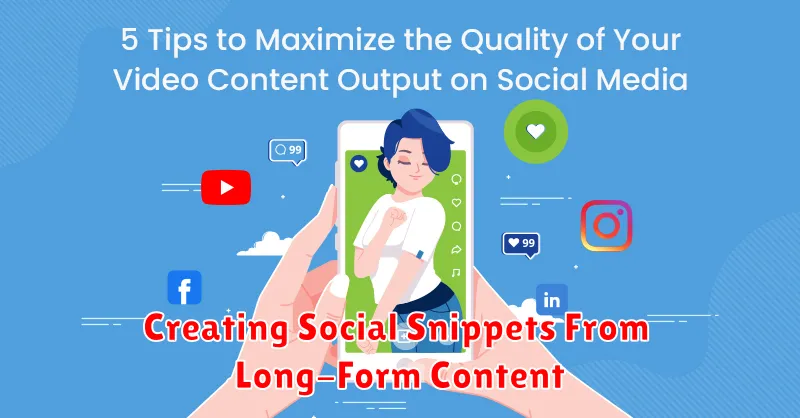
One effective content repurposing strategy involves creating social media snippets from your long-form content. This allows you to reach a wider audience and drive traffic back to the original piece. Think of these snippets as appetizers, offering a taste of the full meal.
Key elements to consider when creating social snippets:
- Identify key takeaways: Distill your long-form content down to its most compelling points.
- Craft engaging copy: Write short, punchy text that sparks curiosity and encourages clicks.
- Tailor to each platform: Optimize snippets for the specific nuances of each social media channel (e.g., character limits, hashtag usage).
- Include a call to action: Encourage engagement by asking questions, inviting comments, or directing users to the full article.
By strategically crafting social snippets, you can effectively promote your long-form content and maximize its reach.
Bundling Content Into Ebooks
Ebooks offer a valuable format for repurposing existing content. By compiling related blog posts, articles, or social media updates, you can create a comprehensive resource that provides in-depth information on a specific topic.
This method offers several advantages. First, it establishes you as an authority in your field. A well-crafted ebook demonstrates a deep understanding of a subject and provides valuable insights to your audience. Second, ebooks are excellent lead magnets. Offering a free ebook in exchange for an email address can significantly grow your email list and nurture potential customers.
Consider these points when creating your ebook:
- Choose a Relevant Topic: Select a topic that resonates with your audience and aligns with your expertise.
- Organize Content Logically: Structure the ebook with clear chapters and sections, ensuring a smooth flow of information.
- Add Value: Don’t simply repackage existing content. Expand on key ideas, update information, and add new insights to make the ebook truly valuable.
- Professional Design: Invest in professional formatting and design to enhance readability and credibility.
Sharing on Different Platforms with Format Adjustments
Repurposing content isn’t simply copying and pasting. Each platform has its own unique audience, culture, and technical requirements. Adjusting the format of your content is crucial for maximizing its impact and reach.
Consider these adjustments when sharing across platforms:
- Length: Long-form articles might thrive on your blog, but shorter, punchier versions are better suited for social media. Condense the key takeaways into concise posts.
- Tone: The tone should align with the platform’s atmosphere. A professional tone suitable for LinkedIn may not resonate on a more casual platform like Instagram.
- Media: Visuals play a vital role. Images and videos that work well on Instagram might need adjustment for a platform like Twitter or a professional networking site.
- Formatting: Bolding, bullet points, and headings are essential for readability, especially on mobile devices. Ensure your formatting is optimized for each platform.
By tailoring your content to each specific platform, you ensure it resonates with the target audience and achieves maximum engagement.
Reposting with Updated Data or Visuals
One effective repurposing strategy involves refreshing existing content with new data or visuals. This works particularly well for content that covers topics with evolving information, such as market trends, industry statistics, or technological advancements. By updating the data, you make the content relevant and valuable to your audience again, prompting re-engagement and potentially attracting a new audience.
Consider these approaches when updating your content:
- Refresh statistics: Replace outdated figures with the latest available data.
- Add new insights: Incorporate recent developments or research findings.
- Update visuals: Replace older charts and graphs with newer, more compelling visualizations.
- Improve the format: Consider changing the content format, perhaps from a blog post to an infographic or a short video.
By strategically incorporating these updates, you can extend the lifespan and reach of your content without starting from scratch.
Tracking Performance Across Formats
Tracking the performance of your repurposed content is crucial for understanding what resonates with your audience and maximizing your ROI. This requires analyzing key metrics across different formats.
For video content, consider metrics like views, watch time, and audience retention. Social media engagement metrics include likes, shares, comments, and reach. For written content, track website traffic, time on page, and conversion rates.
Use analytics platforms to gather this data. Compare performance across formats to understand which versions of your content are most effective. This information can inform future content strategy and repurposing efforts.
