
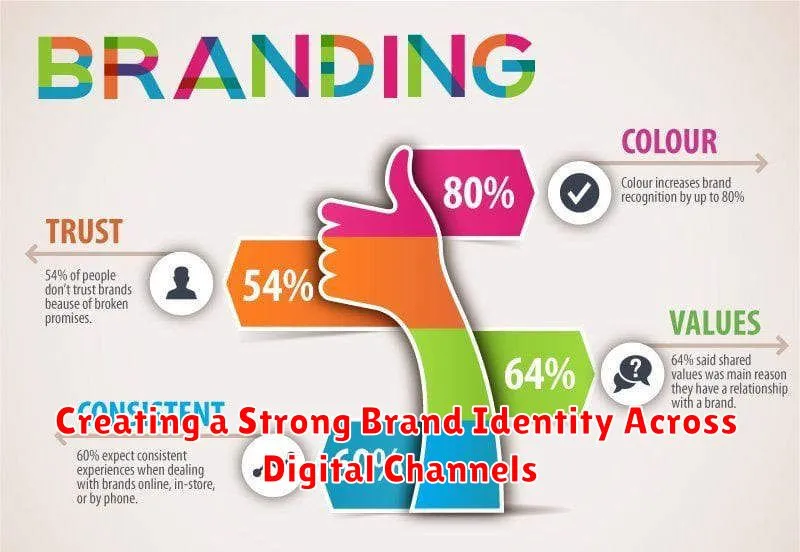
In today’s digitally-driven world, establishing a strong brand identity is more crucial than ever. A consistent and impactful brand presence across various digital channels is paramount to success. This involves strategically crafting a cohesive brand experience that resonates with your target audience across platforms like social media, websites, email marketing, and mobile applications. Cultivating a strong brand identity not only increases brand recognition and fosters customer loyalty but also drives engagement and ultimately, boosts business growth. This article will explore key strategies for building and maintaining a powerful brand identity across your digital channels.
Creating a cohesive digital brand identity requires careful consideration of various elements, including visual design, brand voice, messaging, and overall user experience. A strong brand identity ensures that your brand is easily recognizable and memorable across all digital touchpoints. From your website’s color palette and typography to the tone of your social media posts and email newsletters, each element should contribute to a unified and compelling brand narrative. By focusing on consistency and clarity in your digital brand presence, you can effectively communicate your brand’s values, build trust with your audience, and stand out in the competitive digital landscape. This article will provide actionable insights to help you create and maintain a robust digital brand identity that resonates with your target audience and drives business success.
Defining Your Brand Voice
Your brand voice is the personality and emotion infused into all your communications. It’s how you speak to your audience, shaping their perception of your brand. A well-defined brand voice ensures consistency across all digital platforms, creating a cohesive and recognizable brand experience.
Consider the following key elements when defining your brand voice:
- Tone: Is your brand formal, informal, playful, serious, or something else?
- Language: What kind of vocabulary and sentence structure do you use?
- Purpose: What message are you trying to convey with your voice?
Documenting your brand voice guidelines ensures everyone involved in content creation understands how to represent your brand effectively.
Choosing Consistent Visual Elements

Maintaining a consistent visual identity across all digital platforms is crucial for brand recognition and building a strong brand presence. This involves carefully selecting and implementing key visual elements that will represent your brand consistently.
Key visual elements include:
- Logo: Your logo should be used consistently in its approved formats and sizes.
- Color Palette: Define a specific color palette and adhere to it across all platforms. This includes colors for backgrounds, text, buttons, and other UI elements.
- Typography: Choose specific fonts for headings, body text, and other textual elements. Consistent typography contributes significantly to brand recognition.
- Imagery: The style of imagery used (e.g., photography, illustrations) should be consistent and reflect your brand’s personality.
By maintaining consistency with these visual elements, you create a unified brand experience that strengthens your brand image and resonates with your target audience.
Aligning Messaging Across Platforms
Maintaining a consistent brand voice and messaging across all digital platforms is crucial for creating a strong brand identity. This involves carefully considering how your core message is adapted for different audiences and contexts, while retaining its essential elements.
Key messaging components, such as your brand’s value proposition, mission statement, and target audience, should remain consistent across platforms. However, the tone and delivery of these messages might be adjusted slightly to resonate with the specific characteristics of each platform.
For example, a formal tone might be appropriate for LinkedIn, while a more casual and engaging tone could be better suited for Instagram. Regardless of platform, the underlying message should always align with your overarching brand identity.
Building Trust Through Transparency
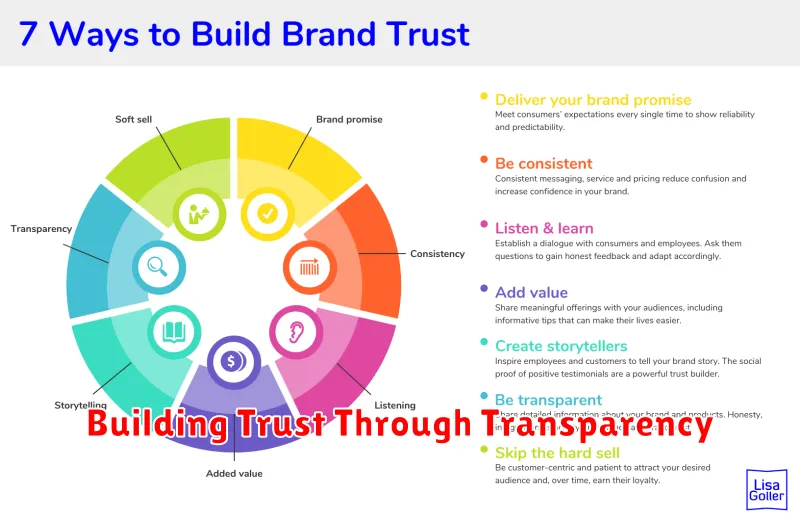
In today’s digital landscape, transparency is paramount to building a strong brand identity and fostering trust with your audience. Consumers are increasingly discerning and actively seek out brands that are open, honest, and authentic.
Transparency involves openly communicating your brand’s values, processes, and even challenges. This can include sharing information about sourcing, production, pricing, and company policies. By providing this level of insight, you demonstrate a commitment to ethical practices and build a stronger connection with your customers.
Open communication is key. Actively engage with your audience, respond to their inquiries, and address their concerns honestly and directly. This demonstrates respect and fosters a sense of community around your brand.
Authenticity is crucial. Transparency should not be a performative act, but a genuine reflection of your brand’s values and operations. Consumers can easily detect inauthenticity, which can severely damage brand trust.
Using Storytelling for Emotional Impact
Storytelling is a powerful tool for building a strong brand identity. It allows you to connect with your audience on a deeper, more emotional level than traditional marketing methods. By crafting compelling narratives, you can foster genuine relationships and create a lasting impression.
Instead of simply listing features and benefits, storytelling focuses on the human experience. Share stories that resonate with your target audience’s values and aspirations. This helps create an emotional connection, fostering trust and loyalty.
Consider incorporating these elements to enhance your storytelling:
- Authenticity: Share genuine stories that reflect your brand’s values.
- Relatability: Focus on universal human experiences that your audience can connect with.
- Conflict and Resolution: Every good story has challenges and how those challenges are overcome. This creates engagement.
Effectively using storytelling can differentiate your brand in a crowded digital landscape. It transforms your brand from a faceless entity into a relatable and memorable presence.
Tracking Brand Perception Online

Monitoring brand perception online is crucial for maintaining a positive brand image and informing strategic decision-making. It allows you to understand how your audience views your brand, identify potential issues, and adjust your strategies accordingly. Several key methods enable effective online brand perception tracking.
Social Listening: Utilize social listening tools to monitor brand mentions, hashtags, and industry conversations across various social media platforms. This provides valuable insights into public opinion and emerging trends related to your brand. Pay attention to the sentiment expressed, whether positive, negative, or neutral. This helps gauge the overall public perception of your brand’s actions and messaging.
Review Monitoring: Actively monitor online reviews on platforms like Google, Yelp, and industry-specific review sites. Reviews offer direct feedback from customers about their experiences with your brand, highlighting strengths and areas for improvement.
Surveys and Feedback Forms: Implement online surveys and feedback forms on your website and social media channels to gather direct input from your audience. Structured questions can provide specific insights into brand perception and customer satisfaction.
Evolving Your Brand Without Losing Core Values
In today’s dynamic digital landscape, brands must adapt to stay relevant. This evolution, however, should be a strategic process, not a knee-jerk reaction to trends. It’s crucial to balance the need for change with the importance of preserving your brand’s core values.
These core values are the foundation of your brand identity. They represent what your brand stands for and what makes it unique. When evolving your brand, use your core values as a guiding principle. Any changes you make should align with and reinforce these values.
Consider conducting a brand audit to identify areas for improvement and ensure consistency across all digital channels. This audit can help you understand how your brand is currently perceived and identify any gaps between your desired brand image and the reality.
Communication is key during any brand evolution. Be transparent with your audience about the changes you are making and why. This helps maintain trust and prevents confusion. By staying true to your core values while embracing necessary changes, your brand can evolve and thrive in the digital world.
