
In today’s digital landscape, influencer marketing has become an essential strategy for businesses seeking to expand their reach and connect with target audiences. A well-executed influencer marketing campaign can significantly boost brand awareness, drive engagement, and ultimately increase sales. This article will provide a comprehensive guide on how to develop and execute a successful influencer marketing campaign, from defining your objectives and identifying the right influencers to measuring your results and optimizing your strategy. Understanding the key elements of a successful campaign is crucial for maximizing your return on investment and achieving your marketing goals.
Whether you are a seasoned marketer or new to the concept, navigating the intricacies of influencer marketing can be challenging. This guide will break down the process step-by-step, offering practical advice and actionable insights to help you create a highly effective influencer marketing campaign. From establishing clear goals and selecting relevant influencers to crafting compelling content and tracking key performance indicators, we will cover all the essential components necessary for campaign success. Learn how to harness the power of influencer marketing to drive tangible results for your business and elevate your brand presence in the competitive digital marketplace.
Defining Campaign Goals and Budget
Before launching an influencer marketing campaign, clearly define your goals. What do you want to achieve? Is it increased brand awareness, more website traffic, higher sales, or something else? Measurable goals are crucial for tracking campaign success. For example, aim for a 15% increase in website traffic or a 10% boost in sales. Document these goals specifically.
Next, establish a realistic budget. Consider influencer fees, content creation costs, platform usage fees (if any), and any additional marketing materials. Budget allocation should align with your campaign goals. A larger budget might be necessary for broader reach and bigger influencers, while a smaller budget can still be effective with micro-influencers and a highly targeted approach.
Finding the Right Influencers for Your Brand
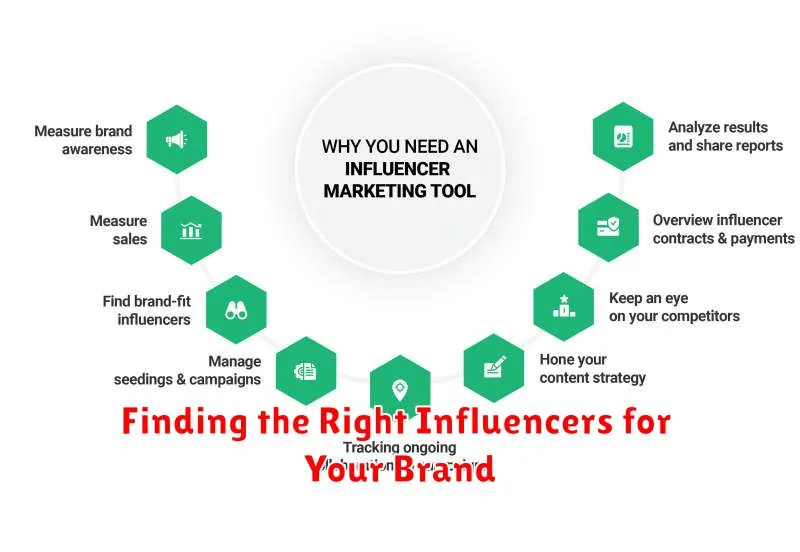
Identifying the right influencers is crucial for a successful campaign. It’s not just about follower count; it’s about finding influencers whose audience aligns with your target market. An influencer with a smaller, highly engaged audience within your niche can often yield better results than one with millions of less relevant followers.
Consider these factors when selecting influencers:
- Relevance: Does the influencer’s content align with your brand’s values and products?
- Engagement: Look beyond follower count to assess the level of interaction on their posts. High engagement signifies a loyal and active audience.
- Reach: Consider the influencer’s potential to reach your desired audience size and demographics.
- Authenticity: Choose influencers who genuinely connect with their audience and whose endorsements will feel credible.
Research potential influencers thoroughly. Analyze their past content, audience demographics, and engagement rates. Utilize influencer marketing platforms and tools to streamline the identification and vetting process.
Setting Clear Expectations and Deliverables
A successful influencer marketing campaign hinges on clearly defined expectations and deliverables. Both the brand and the influencer must be on the same page regarding campaign goals, timelines, and desired outcomes. This avoids misunderstandings and ensures a smooth collaboration.
Start by outlining the campaign objectives. Do you aim to increase brand awareness, drive sales, or generate leads? Clearly communicate these goals to the influencer.
Next, specify the deliverables you expect from the influencer. This could include a certain number of social media posts, stories, videos, or live streams. Be specific about the content format, length, and posting schedule.
Key performance indicators (KPIs) should also be established upfront. These metrics will be used to measure the success of the campaign. Examples include reach, engagement, website traffic, and conversions. Agree on how these KPIs will be tracked and reported.
Finally, document everything in a formal agreement or contract. This protects both parties and provides a clear reference point throughout the campaign.
Creating Engaging Campaign Content
Engaging content is at the heart of any successful influencer marketing campaign. It’s crucial to develop content that resonates with the influencer’s audience and aligns with your brand’s message. This collaborative process ensures authenticity and maximizes impact.
Start by clearly defining your campaign goals. What do you hope to achieve? Increased brand awareness? Driving sales? Website traffic? Clearly defined objectives will guide content creation.
Consider the influencer’s niche and their audience’s interests. The content should feel organic to their existing platform and provide value to their followers. Think about incorporating storytelling, humor, or educational elements to capture attention.
Collaboration is key. While providing guidelines and key messaging points is essential, allow the influencer creative freedom. Their understanding of their audience is invaluable. A genuine, authentic voice will resonate more effectively than a heavily scripted message.
Tracking Performance Metrics
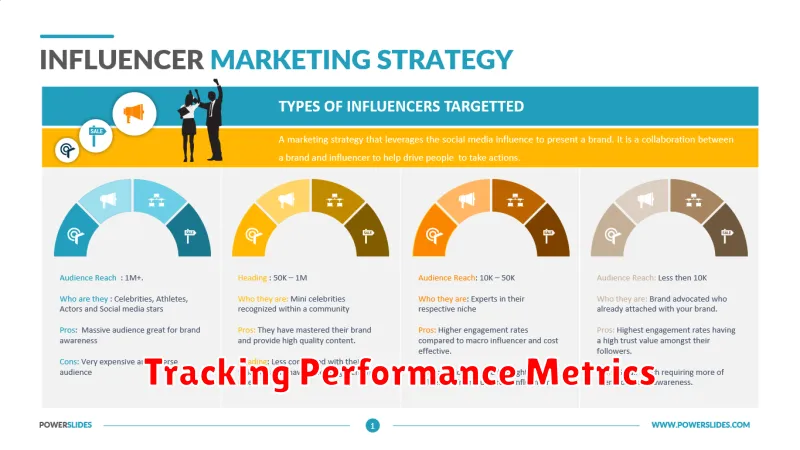
Tracking the right metrics is crucial for evaluating the success of your influencer marketing campaign. It helps you understand what’s working, what’s not, and how to optimize for future campaigns. Choosing relevant Key Performance Indicators (KPIs) aligned with your campaign goals is the first step.
For brand awareness campaigns, focus on metrics like reach, impressions, and social media engagement (likes, comments, shares). These metrics indicate how far your message traveled and how audiences interacted with it. Tracking website traffic originating from the influencer’s content can also provide valuable insights.
If your goal is to drive sales, track metrics like conversions, click-through rates, and promo code usage. These directly measure the impact of the influencer’s promotion on your bottom line.
Using a dedicated platform or spreadsheet to monitor these metrics throughout your campaign is highly recommended. Regularly analyzing the data enables you to make necessary adjustments and maximize your return on investment.
Building Long-Term Relationships
Influencer marketing isn’t just about one-off campaigns. Cultivating long-term relationships with key influencers is crucial for sustained success. This fosters authenticity and builds trust with their audience, ultimately benefiting your brand more significantly over time.
Treat influencers as partners, not just promotional tools. Understand their values, their audience, and their content style. Collaborate on campaigns that align with both your brand and their personal brand. Open communication is key. Maintain regular contact, offer feedback, and be responsive to their needs.
Going beyond contractual obligations strengthens the relationship. Consider offering exclusive access to new products or services, inviting them to brand events, or simply checking in periodically to maintain rapport. These gestures demonstrate your commitment to a genuine partnership.
Avoiding Common Mistakes in Influencer Marketing
A successful influencer marketing campaign requires careful planning and execution. Avoiding common pitfalls can significantly impact your results. One frequent mistake is choosing the wrong influencers. Relevance is key. An influencer’s audience should align with your target demographic.
Another common error is focusing solely on follower count. While reach is important, engagement is crucial. Look for influencers with an active and responsive audience. Authenticity is also paramount. Forced or inauthentic partnerships can damage your brand’s credibility. Transparency is essential; ensure proper disclosure of sponsored content.
Finally, neglecting to measure results can hinder your ability to optimize future campaigns. Track key metrics like engagement, reach, and conversions to assess the effectiveness of your influencer partnerships.
