

Are you struggling to convert website visitors into paying customers? Do you feel like you’re losing potential sales due to abandoned carts or lack of engagement? Retargeting ads can be the solution you’ve been searching for. Retargeting, also known as remarketing, is a powerful advertising strategy that allows you to reconnect with users who have previously interacted with your website or brand. By strategically displaying targeted ads to these individuals, you can effectively re-engage their interest, remind them of your products or services, and ultimately, boost conversions.
This article will delve into the intricacies of retargeting ad campaigns, providing you with a comprehensive understanding of how they work and why they are essential for maximizing your return on investment (ROI). We’ll explore various retargeting strategies, discuss best practices for creating effective retargeting ads, and offer valuable tips for optimizing your campaigns to achieve optimal performance. Learn how to leverage the power of retargeting to recapture lost opportunities, cultivate stronger customer relationships, and significantly boost conversions, leading to increased revenue and business growth. Mastering retargeting is crucial for success in today’s competitive digital landscape.
What Is Retargeting and How It Works
Retargeting, also known as remarketing, is a powerful advertising technique that allows you to reconnect with users who have previously interacted with your website or app.
Imagine a potential customer browsing your online store, adding items to their cart, but leaving without completing the purchase. Retargeting enables you to display targeted ads to that specific customer, reminding them of their interest and encouraging them to return and finish the transaction.
How does it work? When a user visits your website, a small piece of code called a pixel or cookie is placed in their browser. This cookie tracks their activity on your site. When they leave and browse other websites within the ad network, the cookie triggers your retargeting ads to appear, keeping your brand and products top-of-mind.
Setting Up Retargeting Pixels
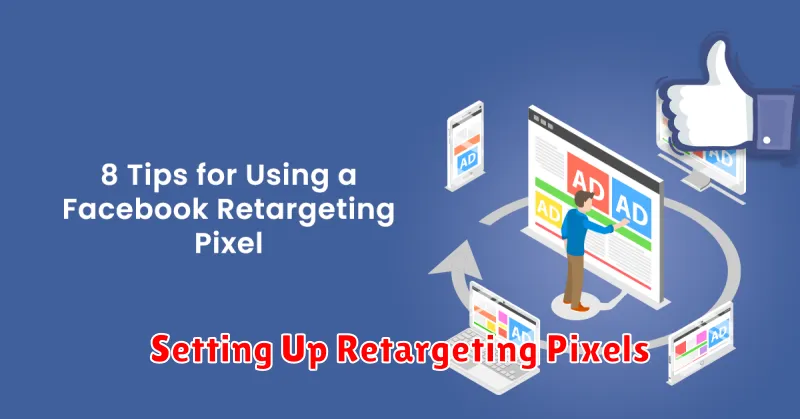
Retargeting pixels are snippets of code that you place on your website. They track visitors’ behavior, allowing you to serve them targeted ads later. This process is crucial for effective retargeting campaigns.
The implementation process typically involves copying the pixel code provided by your ad platform (e.g., Google Ads, Facebook Ads) and pasting it within the <head> section of every page on your website. This ensures comprehensive tracking of user activity across your entire site.
Different ad platforms offer varied instructions for pixel installation. Ensure you follow the specific instructions provided by your chosen platform for seamless integration.
Once the pixel is implemented, it begins collecting data. This data informs your retargeting campaigns, enabling you to show relevant ads to users who have previously interacted with your website.
Segmenting Your Retargeting Audience
Retargeting isn’t a one-size-fits-all approach. Segmenting your audience allows for more relevant and effective campaigns. By dividing your audience into smaller groups based on their behavior, you can tailor your ads and messaging for improved results. This prevents ad fatigue and increases the likelihood of conversion.
Consider segmenting based on website activity such as pages visited, products viewed, and time spent on site. For example, someone who abandoned their cart needs a different message than someone who simply browsed your homepage. You can also segment by engagement with previous ads, targeting those who interacted but didn’t convert with a special offer or reminder.
Creating specific segments allows for more efficient ad spend and improved ROI. By focusing your efforts on users most likely to convert, you maximize your budget’s impact.
Creating Compelling Ad Copy for Return Visitors
Retargeting ads present a unique opportunity to speak directly to users who have already interacted with your brand. Your ad copy should acknowledge this prior interaction and offer something new to entice them back. Avoid simply repeating the same messaging used in initial ads.
Focus on addressing any potential hesitations they might have had. For example, offer a limited-time discount, free shipping, or highlight a specific product feature they viewed previously. This personalized approach can significantly increase conversion rates.
Specificity is key. Remind them of what they viewed or added to their cart. Use phrases like “Still thinking about that [product name]?” or “Complete your purchase and get free shipping.” This reinforces their interest and creates a sense of urgency.
Test different ad variations. A/B testing different headlines, calls to action, and offers can help determine the most effective messaging for your returning audience. Continuously optimize your ad copy based on performance data to maximize your return on investment.
Optimizing Retargeting Frequency
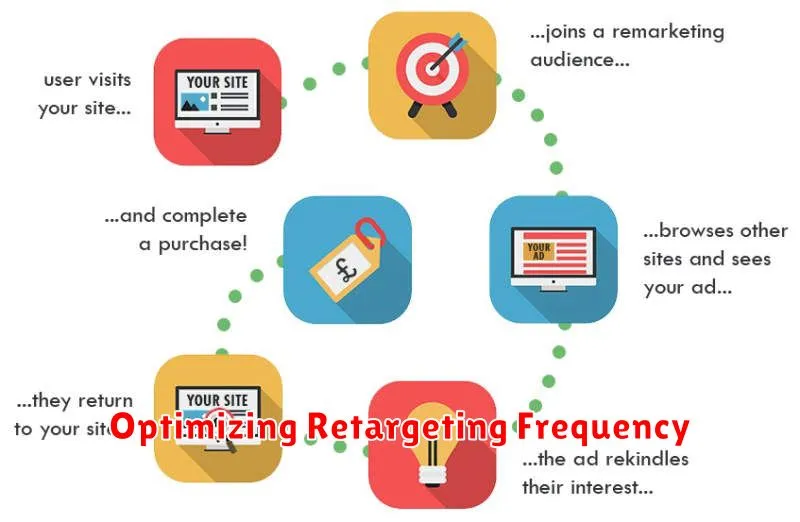
Finding the right retargeting frequency is crucial. Too much exposure can annoy potential customers, leading to ad fatigue and even brand negativity. Too little, and your message might not be effective. The goal is to stay top-of-mind without being overbearing.
Frequency capping is a key tool. This allows you to limit the number of times a specific user sees your retargeting ads within a given timeframe (e.g., daily, weekly, or monthly). Start with a moderate frequency and monitor performance. A/B testing different frequency caps will help determine the sweet spot for your audience.
Segmentation also plays a vital role. Consider varying your frequency based on user behavior. For instance, someone who abandoned their cart might benefit from higher frequency in the immediate days following, while someone who simply browsed your website might benefit from a lower frequency.
Measuring Retargeting Performance
Accurately measuring the performance of your retargeting campaigns is crucial for optimization and maximizing ROI. Key performance indicators (KPIs) provide insights into how effectively your ads are re-engaging your audience and driving conversions.
Some of the most important metrics to track include click-through rate (CTR), which measures how often users click on your retargeting ads; conversion rate, which indicates the percentage of clicks that result in a desired action (such as a purchase or signup); and cost per conversion, which reflects the cost-effectiveness of your campaign.
Beyond these core metrics, consider monitoring view-through conversions, which track conversions from users who saw your ad but didn’t click. This helps understand the broader impact of your retargeting efforts. Also, analyze return on ad spend (ROAS) to determine the overall profitability of your campaigns.
Avoiding Retargeting Fatigue
Retargeting fatigue occurs when potential customers are shown your ads too frequently, leading to annoyance and decreased engagement. This can negatively impact your brand perception and reduce the effectiveness of your campaigns. Frequency capping is crucial to avoid this. Set limits on how many times a user sees your ad within a specific timeframe (e.g., day, week, or month).
Segment your audience to tailor messaging and ad frequency. For example, users who have recently interacted with your site might receive different ads than those who abandoned their carts weeks ago. Varying your ad creatives is also essential. Showing the same ad repeatedly leads to banner blindness. Refresh your ads regularly with new images, copy, and offers to keep them engaging.
Finally, offer an opt-out option. Providing a clear and easy way for users to opt out of your retargeting campaigns can significantly improve their overall experience with your brand. This demonstrates respect for their preferences and can prevent negative associations.
