
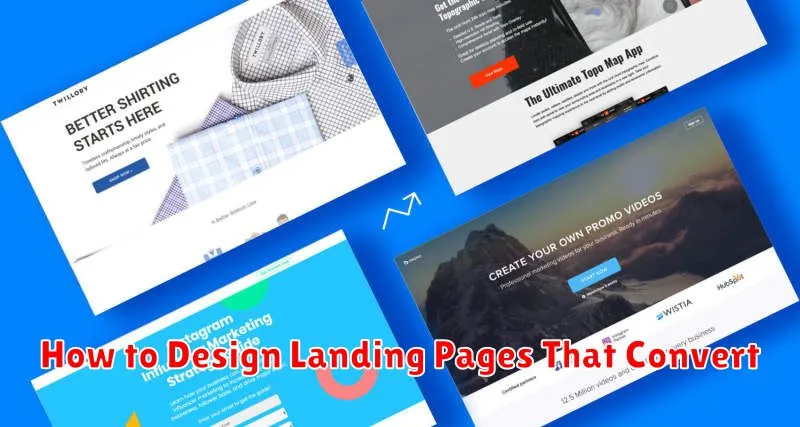
In the competitive digital landscape, a high-converting landing page is paramount to online success. A well-designed landing page serves as a crucial bridge between attracting potential customers and converting them into valuable leads or sales. This article will provide a comprehensive guide on how to design landing pages that convert, addressing key elements such as compelling headlines, persuasive copy, effective call-to-actions, and strategic use of visuals. Mastering these components will enable you to optimize your landing pages for maximum impact and achieve a significant return on investment.
From understanding your target audience to A/B testing and continuous optimization, we’ll cover the essential steps to create landing pages that truly resonate with your visitors. Whether you’re promoting a product, service, or event, learning how to design landing pages that convert is an indispensable skill for any online marketer. By the end of this article, you’ll be equipped with the knowledge and practical strategies to transform your landing pages into powerful lead generation and sales conversion tools.
Crafting a Compelling Headline
Your headline is the first, and often only, impression you make on a potential customer. A compelling headline grabs attention, sparks curiosity, and entices visitors to explore further. It’s the gateway to the rest of your landing page content.
Focus on conveying a clear and concise message that highlights the key benefit of your product or service. Avoid jargon and technical terms. Instead, use strong action verbs and language that resonates with your target audience.
Consider these key elements when crafting your headline:
- Brevity: Keep it short and to the point. Aim for around 6-10 words.
- Clarity: Make sure your message is easily understood.
- Value Proposition: Communicate the benefit to the reader.
- Urgency (Optional): Create a sense of immediacy when appropriate.
Testing different headlines is crucial. A/B testing allows you to compare the performance of various options and identify the most effective approach for your specific audience.
Using a Clear and Strong CTA
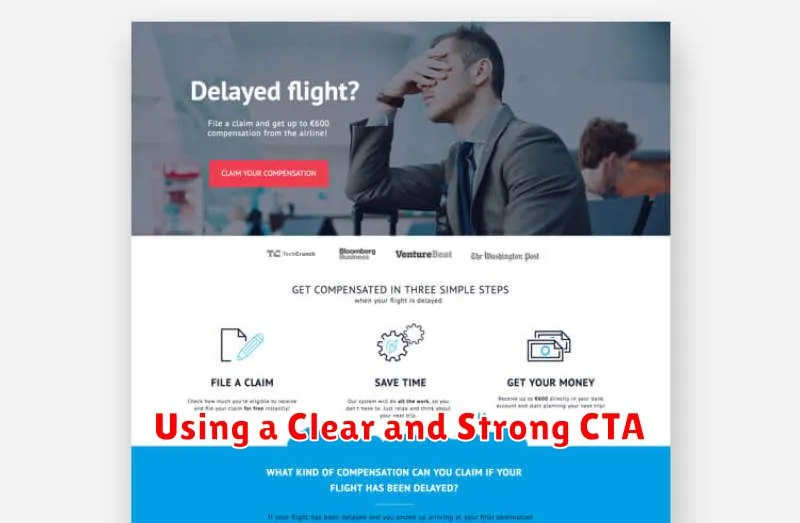
A compelling call to action (CTA) is crucial for landing page conversions. It guides visitors towards the desired action, whether it’s signing up, making a purchase, or downloading a resource.
Clarity is paramount. Use action-oriented language that clearly states what you want the visitor to do. Examples include “Get Started Today,” “Download Now,” or “Claim Your Free Trial.”
Visibility is also key. Ensure your CTA button stands out visually. Use contrasting colors, sufficient whitespace, and an appropriate size to draw attention.
Placement matters. Position your CTA strategically above the fold, or in a location where users naturally gravitate towards. Consider using multiple CTAs throughout the page, particularly for longer landing pages.
Minimizing Distractions on the Page
A key principle of effective landing page design is minimizing distractions. Every element on the page should contribute to the primary goal – conversion. Unnecessary elements divert attention and reduce the likelihood of a visitor completing the desired action.
Clutter is the enemy of conversion. Avoid excessive text, images, or design elements that don’t directly support the page’s purpose. Whitespace is your friend. It creates visual breathing room and allows important elements to stand out. A clean, uncluttered design improves readability and focuses attention where it matters most – your call to action.
Navigation menus, while crucial on a website, can be a distraction on a landing page. Consider removing or simplifying navigation to keep visitors focused on the conversion goal. Similarly, limit external links. Every link that leads away from the page represents a potential lost conversion.
Adding Social Proof Like Testimonials
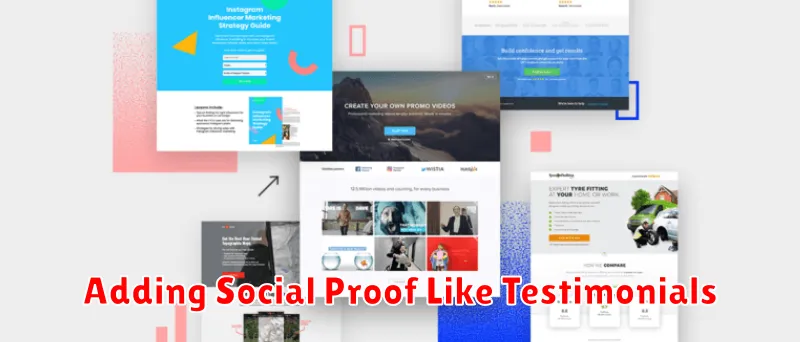
Social proof is a powerful tool for increasing conversions on landing pages. It leverages the human tendency to follow the actions of others, especially when uncertain. Incorporating elements like testimonials can significantly boost visitor trust and encourage them to take the desired action.
Testimonials provide credibility by showcasing positive experiences from previous customers. Choose testimonials that highlight specific benefits and address potential customer concerns. Keep them concise and authentic. Consider using a variety of formats, such as short quotes, video testimonials, or case studies, to cater to different preferences.
Placement is key. Strategically position testimonials near call-to-action buttons or areas where visitors might hesitate. For example, placing a testimonial near a pricing table can alleviate concerns about value. Ensure testimonials are easily visible and don’t clutter the overall design.
Optimizing for Mobile Devices
In today’s mobile-first world, ensuring your landing page is fully optimized for mobile devices is no longer optional, it’s essential. A poor mobile experience can drastically reduce conversion rates.
Responsive Design is crucial. Your landing page should adapt seamlessly to different screen sizes and orientations, providing a consistent user experience across all devices.
Page Load Speed is another critical factor. Mobile users are often on the go and expect fast loading times. Minimize large images and unnecessary code to optimize for speed.
Touch-Friendly Elements should be incorporated. Buttons and other interactive elements need to be appropriately sized for touch interaction, making it easy for users to navigate and convert.
Testing your landing page on various mobile devices is highly recommended. This allows you to identify and address any device-specific issues and ensure optimal performance across all platforms.
A/B Testing Page Elements
A/B testing is a critical step in optimizing landing page conversions. It involves comparing two versions of a page element to determine which performs better. By testing individual elements, you can identify areas for improvement and maximize your conversion rates.
Key elements to A/B test include headlines, call-to-action buttons, images, forms, and page layout. Even small changes, such as button color or headline wording, can have a significant impact.
For example, you might test two different headlines: “Get Your Free Quote Today!” vs. “Request a Free Consultation.” By analyzing the data, you can determine which headline resonates more with your target audience and leads to more conversions.
It’s important to test one element at a time to isolate the impact of each change. Testing multiple elements simultaneously can make it difficult to determine which change influenced the results.
Tracking Conversions With Analytics
After launching your landing page, the next crucial step is setting up conversion tracking. This allows you to measure the effectiveness of your landing page and identify areas for improvement. Conversion tracking involves monitoring specific actions visitors take on your page, aligning with your campaign goals. These actions, or conversions, could be anything from submitting a form, making a purchase, or downloading a resource.
Utilizing analytics platforms like Google Analytics is essential for this process. You’ll need to define your key performance indicators (KPIs) and configure your analytics platform to track them. For example, if your goal is to generate leads, you’ll want to track form submissions. If your goal is to drive sales, you’ll track purchases.
By monitoring these KPIs, you can gain valuable insights into your landing page’s performance. You can see which elements are working well and which need to be adjusted. This data-driven approach enables you to optimize your landing page for better conversion rates.
